Preparing for Disasters: A Guide to Emergency Response
Disasters can strike at any moment, leaving chaos and uncertainty in their wake. Whether it’s a natural disaster like a hurricane or an unexpected event such as a fire, being prepared can make all the difference. This guide aims to equip you with the knowledge and tools necessary for effective emergency response, ensuring you and your loved ones can navigate through challenging times with confidence.
Understanding the Types of Disasters
Before you can effectively prepare for a disaster, it’s crucial to understand the different types that can occur. Here are some common categories:
Natural Disasters
Earthquakes: Sudden shaking of the ground caused by tectonic shifts.
Floods: Overflow of water onto normally dry land, often due to heavy rainfall or melting snow.
Hurricanes: Powerful storms that form over warm ocean waters, bringing strong winds and heavy rain.
Man-Made Disasters
Fires: Can occur in homes, forests, or industrial areas, often due to negligence or accidents.
Terrorist Attacks: Deliberate acts of violence aimed at causing harm or fear.
Chemical Spills: Accidental release of hazardous substances that can pose health risks.
Health Emergencies
Pandemics: Widespread outbreaks of infectious diseases, such as COVID-19.
Foodborne Illnesses: Outbreaks caused by contaminated food or water.
Understanding these categories helps you tailor your emergency response plan to the specific risks you may face in your area.
Creating an Emergency Plan
An effective emergency plan is your roadmap during a disaster. Here’s how to create one:
Assess Your Risks
Identify the types of disasters most likely to occur in your area. For example, if you live in a coastal region, hurricanes may be a significant concern.
Establish Communication Protocols
Designate a Meeting Place: Choose a safe location where family members can gather if separated.
Create a Contact List: Include phone numbers of family, friends, and local emergency services.
Develop Evacuation Routes
Know the safest routes to evacuate your home or neighborhood. Familiarize yourself with local emergency shelters and their locations.
Plan for Pets
Include your pets in your emergency plan. Identify pet-friendly shelters and ensure you have supplies for their care.
Building an Emergency Kit
An emergency kit is essential for survival during a disaster. Here’s what to include:
Basic Supplies
Water: At least one gallon per person per day for three days.
Non-Perishable Food: Enough for at least three days, including canned goods and energy bars.
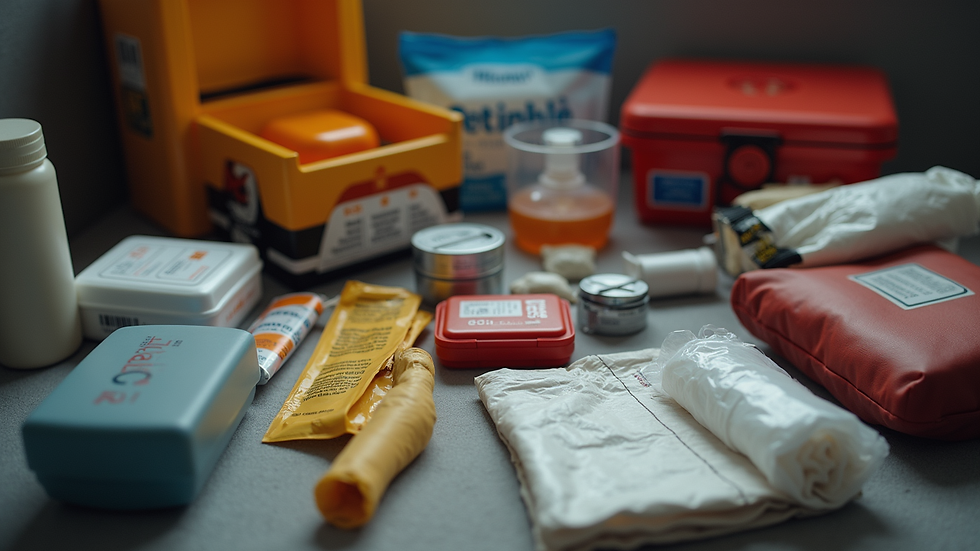
First Aid Kit: Include bandages, antiseptics, and any necessary medications.
Additional Items
Flashlight and Batteries: Essential for power outages.
Multi-tool or Swiss Army Knife: Useful for various tasks.
Whistle: To signal for help if needed.
Personal Documents
Store important documents in a waterproof container. This includes identification, insurance policies, and medical records.
Training for Emergencies
Preparation goes beyond having supplies; training is equally important. Here are some ways to enhance your readiness:
First Aid and CPR Training
Consider taking a first aid and CPR course. Knowing how to respond to medical emergencies can save lives.
Fire Safety Training
Learn how to use a fire extinguisher and practice fire drills at home. Familiarize yourself with the sound of smoke alarms and how to respond.
Community Preparedness Programs
Many communities offer disaster preparedness workshops. Participating in these can provide valuable insights and resources.
Staying Informed
During a disaster, information is crucial. Here’s how to stay updated:
Monitor Weather Alerts
Sign up for local weather alerts through your phone or radio. This ensures you receive timely updates about impending disasters.
Follow Local Authorities
Stay informed by following local emergency management agencies on social media or their websites. They provide real-time information and instructions.
Use Reliable Sources
In the age of misinformation, rely on trusted sources for updates. The National Weather Service and the Centers for Disease Control and Prevention (CDC) are excellent resources.
Responding During a Disaster
When disaster strikes, knowing how to respond can significantly impact your safety. Here are key actions to take:
Stay Calm
Panic can lead to poor decision-making. Take a deep breath and assess your situation.
Follow Your Emergency Plan
Stick to the plan you created. If you need to evacuate, do so quickly and safely.
Help Others
If it’s safe to do so, assist neighbors or those in need. Community support can be vital during emergencies.
Recovery After a Disaster
Once the immediate danger has passed, focus on recovery. Here’s how to navigate this phase:
Assess Damage
Evaluate your home and property for damage. Take photos for insurance claims.
Seek Assistance
Contact local disaster relief organizations for support. They can provide resources for food, shelter, and financial assistance.
Mental Health Support
Disasters can take a toll on mental health. Seek support from professionals or community groups if needed.
Conclusion
Preparing for disasters is not just about having supplies; it’s about creating a comprehensive plan that includes training, communication, and recovery strategies. By taking proactive steps, you can ensure that you and your loved ones are ready to face any challenge that comes your way. Remember, the time to prepare is now—don’t wait for a disaster to strike. Start building your emergency response plan today and empower yourself with the knowledge and tools to navigate through tough times.
Comments